What are Carbohydrates?
Overview
-
Carbohydrates are made up of Hydrogen, Carbon, and Oxygen
-
Their general formulas are Cn(H2O)n (the variable "n" is the same number)
-
Based on this formula we can see that there is a 1:2:1 ratio of Carbon, Hydrogen, and Oxygen molecules
-
example: Glucose has a formula of C6(H6O)6 (looking at this formula we can see that there are 6 Carbon, 12 Hydrogen and 6 Oxygen molecules in Glucose)
-
-
-
Carbohydrates are an important source of energy for all cells
-
They help transport and store energy in cells and also provide structural support in the body
-
Carbohydrates are found in foods rich in fibre, starch and sugar. (ie. fruits, bread and milk products)

Monosaccharides
-
Monomers of carbohydrates
- ONE SUGAR MOLECULE
-
Simple sugars with 1 molecule (ends with prefix -ose)
-
Eg. Glucose, Fructose, Ribose, Pentose, Hexose, etc.
-

Disaccharides
-
Formed by dehydration synthesis
-
2 SUGAR MOLECULES JOINED TOGETHER
-
-
Dissolve in water (polar molecules)
-
Eg. Sucrose (glucose+fructose), Lactose (galactose+glucose), Maltose (glucose+glucose)
-
***MUST KNOW WHAT MONOSACCHARIDES FORM THE FOLLOW DISACCHARIDES***


Polysaccarides
1. STARCH
-
Storage form of energy in PLANTS!
-
Most common carbohydrate in human diets (found in rice, wheat, potatoes)
-
HAS A LINEAR STRUCTURE WITH FEW SIDE BRANCHES!

NUCLEIC ACID
Overview
-
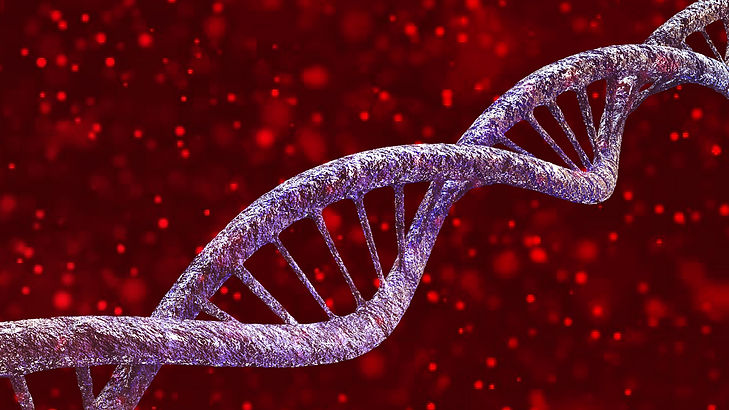
Function to store and transport genetic information needed for ALL cell activities
-
Found in animal and plant based foods like fruits, vegetables, meat products, etc.
BASES:
Purines:
-
Have two ringed structures
-
Eg. Adenine & Guanine
Pyrimidines:
-
Have a single ringed structure
-
Eg. Cytosine, Thymine & Uracil (found only in RNA)
